
Herbal tea
How to steep herbal tea: heat, time, and water
This page is only about dried plants in water—flowers, leaves, roots, and spices. We walk through what we change most often in our own kitchen: water, time, lid on or off, and how we cool tea for ice. Everything here is editorial—culinary interest, not medical or therapeutic advice.
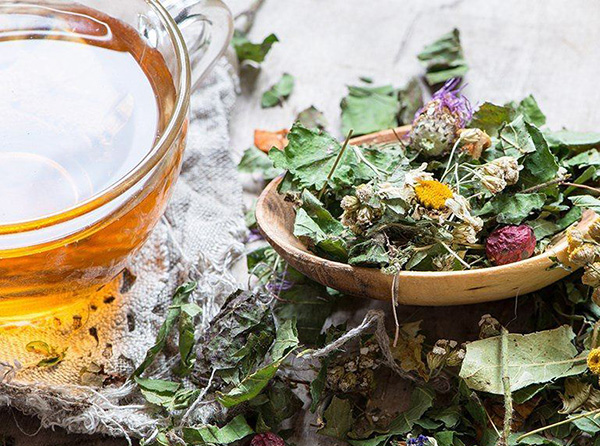
Water first
Why filtered water often tastes better
Very hard tap water can make gentle flowers taste flat and hibiscus a bit metallic. Very soft water can pull too much from delicate petals. Not sure? Steep the same herb with tap water and with filtered water side by side and sip—your tongue decides.
After water boils, wait about 30 seconds before pouring it on fine chamomile or rose buds—big bubbles can scorch them. Roots and bark can usually take a full rolling boil because they need more time to open up.
Warm the mug or pitcher before you pour in hot tea so it does not cool in one second. That matters most for wide jars you plan to ice later.
Time & lid
Lid on or lid off?
Steam carries scent. With the lid on, more aroma stays in the liquid—nice for lemongrass and mint. With the lid off, some light scents escape, but delicate flowers may taste less “cooked.” Try both on a small split batch and see which you prefer.
Use a phone timer. It is easy to forget, and rooibos can taste woody if it sits too long while hibiscus can turn sharp.
When you pour into storage jars, use a strainer held close to the surface if you want clearer color the next day—less air mixed in helps.
- Delicate petals
- Five to seven minutes off-boil, covered.
- Grassy stems
- Six to nine minutes; bruise stalks lightly first.
- Roots & spices
- Ten to fifteen minutes simmer or covered steep; taste at ten.
Events Calendar
Tea dates we like to put on the calendar (2026)
Informal ideas—invite a friend, bring two kettles, taste together.
| Date | Focus | Bring |
|---|---|---|
| Feb 8, 2026 | Side-by-side water tasting | Two heatproof pitchers |
| Apr 19, 2026 | Cold jar versus flash-chill | Mason jars with lids |
| Jul 26, 2026 | Iced flight lab | Ice trays + strainers |
| Oct 4, 2026 | Covered versus uncovered cupping | Small bowls for aroma |
Want a short checklist for a home tasting? Email us through the contact page and we will send a simple PDF.
Iced tea
From a strong hot batch to a jar in the fridge
For clear iced tea, many people make a slightly stronger hot tea, strain it, add cool water, then chill. You can also steep in cool water for many hours—slower, softer taste.
In a hurry before guests: set the strained hot tea in a metal bowl over ice water, stir gently, then bottle. Label jars if you make more than one flavor.
- Chill uncovered for the first thirty minutes to reduce condensation inside sealed lids.
- Strain twice for crystal pitchers; guests notice clarity.
- Glass shows color; opaque travel mugs hide it—choose accordingly.
Kitchen & food safety
Simple safety around hot water
Most home tea burns come from steam and spills. Tip the kettle lid away from your face, keep a dry towel nearby, and ask kids to stand a little to the side. Check glass pitchers for chips before heavy use.
When you taste hot tea from a spoon, blow on it first and sip a little—heat can numb your taste for a few minutes.
Cut citrus on a clean board after onions, or flavors wander into the cup.
Quick reset checklist
- Empty the kettle of standing water before a fresh boil.
- Wipe jar threads so lids seal evenly.
- Cool spent herbs before composting in thin plastic bags.