
The plants
What these herbs taste and smell like
We talk about color, smell, and mouthfeel—and when people often reach for each herb at home. For any personal dietary question, ask a licensed healthcare provider; we only discuss the kitchen side.
Color and smell
Look at the cup before you sip
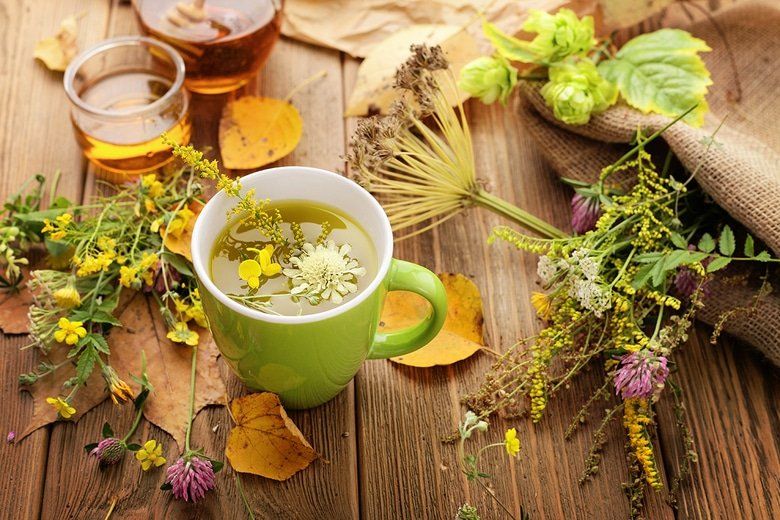
Hibiscus is ruby with a pink edge; chamomile is pale straw; rooibos looks like maple leaves in liquid; peppermint can look almost clear green. If the color looks muddy, check age and storage before you change the recipe.
Crush a bit of dried lemongrass between your fingers—you want a clean lemon smell, not dust. Open spearmint and smell from a few inches away; if you barely smell it, the oils may have faded in shipping or heat.
Rooibos feels soft on the tongue; hibiscus finishes tart, which can make cheese taste creamier next to it. Simple pairings help you plan a tasting for friends without hype.
We keep a pocket notebook for one-line tasting notes—date, herb lot, steep time. Patterns emerge faster than you expect.
Herb spotlights
Five herbs we reach for often
Hibiscus (Hibiscus sabdariffa)
Tart, berry-like brightness that loves lime and mint. Popular for colorful pitchers at summer potlucks. Some folks dial sweetness slowly because the acidity carries so clearly.
Chamomile (Matricaria chamomilla)
Round, honeyed hay notes with a quiet floral lift. Often chosen for quiet moments with a book or at the kitchen table—we describe taste and aroma only, not any effect on sleep or health.
Lemongrass (Cymbopogon citratus)
Clean citrus perfume without the oiliness of zest alone. Bruise stalks gently before steeping to wake the oils evenly.
Rooibos (Aspalathus linearis)
Naturally caffeine-free, sweet-woody South African leaves that accept vanilla, orange peel, or baking spices with grace.
Spearmint (Mentha spicata)
Cooling aroma softer than peppermint’s punch—lovely with stone fruit salads and iced pitchers for kids’ tables.
If you need individualized guidance about foods or drinks, speak with a licensed healthcare provider. Here we only discuss flavor and everyday cooking.
FAQs
Questions we hear at farmers’ markets
Harvest year, drying style, country, and storage all change smell. Treat each bag as new—adjust time by 30 seconds and taste again.
Whole flowers look dramatic in glass pots and steep evenly when they can roll freely. Sifted grades dissolve faster flavor but can cloud if over-agitated—fine for muslin bags.
Track how many cups you steep weekly, multiply by four, add one spare jar for guests. Rotating stock monthly keeps volatile oils lively.
Certification signals audited farming practices; some small growers follow organic methods without paying for the label. Ask vendors about spray schedules and harvest dates either way.
In the pantry
Store herbs so they keep their smell
Light, heat, air, and damp air dull herbs. Keep tinted jars away from the stove, not on a shelf right above it. Powdered spices can sit with a silica pack; whole flower petals usually should not unless the seller says so.
Freeze mint leaves in a zip bag for winter drinks; leaves may crumble more, which is fine for tea, less pretty as whole garnish.
Label with month opened and source; your February self will thank your August self when comparing two chamomile lots.
- Short pantry?
- Stack square jars; write names on tape facing outward.
- Humid climate?
- Double-check lid clicks; wipe threads weekly.
- Gift jars?
- Write grams and steep minutes on a small card inside the gift.
Sourcing notes
Good questions to ask at the market
Ask when it was picked, how it was dried, and whether the pieces are sorted by size. Good sellers can explain farm practices or show certificates if you ask.
When prices jump, drought and shipping costs hit herbs like any food. Sometimes two smaller bags are better than one huge bag you cannot finish before it fades.